 FuninVR
Руководство по локациям VR-аркад: 5 Характеристики сайтов с высокой посещаемостью, которые приносят прибыль
В бизнесе VR-аркад, местоположение не просто важно – это все. Посредственная аркада в прекрасном месте может процветать, в то время как потрясающий игровой зал в плохом месте будет с трудом платить за аренду. В этом руководстве рассказывается о пяти конкретных характеристиках, на которые следует обратить внимание при оценке потенциальных сайтов.. Независимо от того, открываете ли вы свой первый игровой зал или расширяете, эти критерии помогут вам избежать дорогостоящих ошибок.
Полный обзор затрат на запуск и моделей дохода, см. наш 2026 Руководство по рынку VR-аркад в США.
Характеристика 1: Высокая посещаемость вашей целевой аудитории
Одного пешеходного движения недостаточно. Вам нужно верно вид трафика – люди, которые готовы тратить деньги на развлечения и имеют свободное время.
Что искать:
-
Торговые центры: Особенно возле фуд-кортов, кинотеатры, или детские игровые площадки. Прохожие в торговых центрах не ваша цель, но семьи и подростки.
-
Развлекательные кварталы: Зоны с боулингами, квест-комнаты, лазертаг, или кинотеатры. Эти клиенты уже находятся в «режиме развлечения».
-
Туристические зоны: Пляжи, исторические центры города, или рядом с основными достопримечательностями. Туристы с большей вероятностью попробуют виртуальную реальность как новый опыт.
-
Университетские кампусы: Высокая плотность молодых людей с располагаемым доходом и свободным временем.
Как измерить: Заходите на сайт в разное время (буднее утро, будний вечер, Суббота, полдень). Используйте ручной счетчик или приложение для оценки пешеходного трафика, чтобы подсчитать количество прохожих.. Для небольшого игрового зала (4‑6 машин), обычно вам нужно как минимум 2000–3000 прохожих в день, чтобы обеспечить устойчивые продажи без предварительной записи..
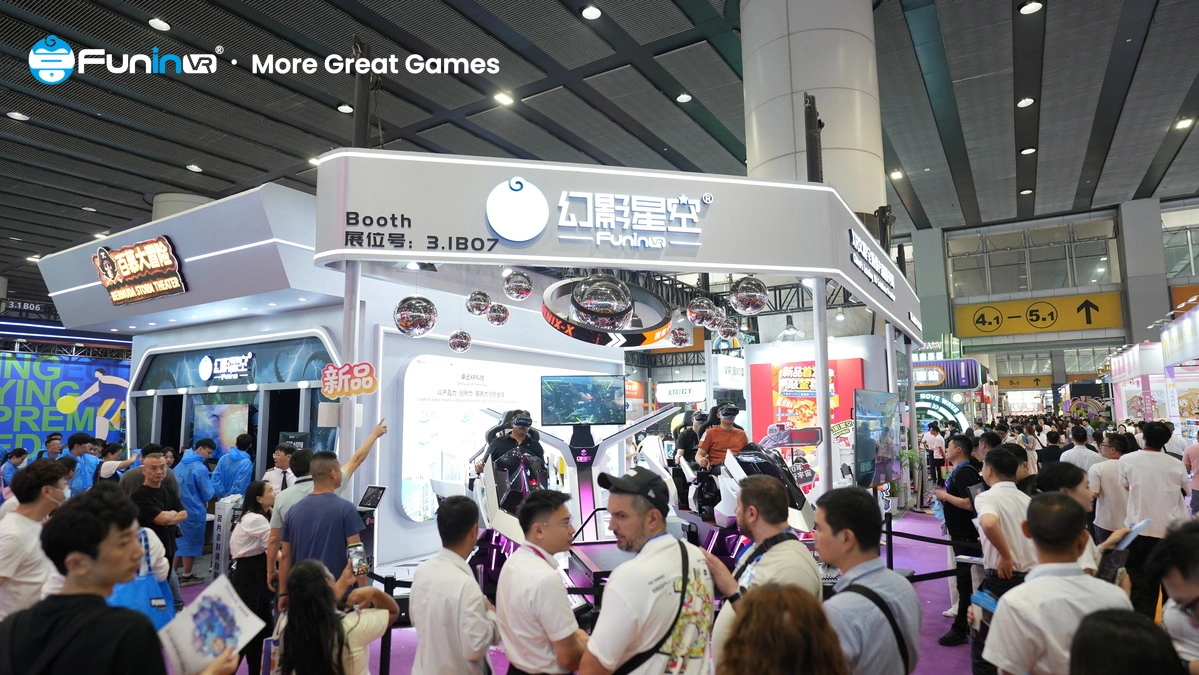
Руководство по локациям VR-аркад: 5 Характеристики сайтов с высокой посещаемостью, которые приносят прибыль
Характеристика 2: Видимость & Легкий доступ
Если клиенты не видят ваш игровой зал, они его не найдут – даже с GPS. Помещения на первом этаже с большими окнами и привлекательными вывесками работают значительно лучше, чем верхние этажи или потайные углы..
Что искать:
-
Первый этаж: Первый выбор. Избегайте подвала или второго этажа, если в здании нет исключительного пешеходного движения. (например, крупный транзитный узел).
-
Фасад улицы: Большие стеклянные окна позволяют прохожим видеть происходящее внутри.. Симуляторы движения в движении естественным образом привлекают внимание.
-
Четкие вывески: Ваш знак должен быть виден с главной улицы.. Световые знаки стоят вложений, если вы работаете в ночное время..
-
Рядом с якорями: Находиться рядом с популярным магазином (Цель, Уолмарт, кино) направляет трафик к вашей двери.
Красные флаги: Скрытые входы, общие коридоры без прямого выхода на улицу, или места за колоннами или лестничными клетками.
Как только вы найдете перспективный сайт, вам нужно спланировать планировку. Наш Руководство по требованиям к пространству для VR-аркад показывает, как разместить оборудование в пространствах различной формы.
Характеристика 3: Разумная аренда & Выгодные условия аренды
Арендная плата — ваши самые большие фиксированные затраты. Переплата может разрушить вашу прибыль даже при высоком доходе..
Что искать:
-
Арендная плата как процент от ожидаемого дохода: Стремитесь к тому, чтобы арендная плата составляла не более 10–15 % от вашего прогнозируемого валового ежемесячного дохода.. Для небольшого пассажа, спроектированного на 15,000/месяц,целевое время аренды2,000.
-
Пункт о процентной арендной плате: Многие договоры аренды торговых центров включают базовую арендную плату плюс процент от продаж, превышающих определенный порог.. Это выгодно, если ваш доход неопределенен..
-
Короткий первоначальный срок с возможностью продления: Попробуйте первоначальный срок 1–2 года., с возможностью продления. Избегайте пятилетних обязательств, если вы не уверены в успехе.
-
Бесплатный период аренды: Договоритесь о бесплатной аренде на 1–3 месяца для сборки и тестирования..
Как рассчитать максимально доступную арендную плату: Оцените свой ежемесячный доход (консервативный), вычесть все остальные затраты (аренда оборудования, труд, коммунальные услуги, маркетинг), и посмотрим, что останется в аренду. Никогда не подписывайте договор аренды, который не оставляет запаса на долгие месяцы..
Неуверенность в потенциальном доходе? Прочтите наш Как начать прибыльный бизнес-руководство по созданию VR-аркад.
Характеристика 4: Адекватная высота потолка & Электрическая мощность
Многие новые владельцы игровых автоматов забывают проверить физические характеристики здания – дорогостоящая ошибка..
Требования к высоте потолка:
-
VR-симуляторы с движением (например, VR Магия НЛО, 6 Сиденья VR Dark Mars): Минимум 9 футы (2.75 м). Некоторым более крупным моделям может потребоваться 10 футы.
-
5Кинотеатры D/9D: 10–12 футов рекомендуется.
-
Купольные или трековые театры: 12–15 футов минимум.
Электрические требования:
-
Стандартные VR-симуляторы: 110–240 В, 15-Цепи на 20 ампер. В большинстве коммерческих помещений есть такая возможность..
-
Несколько машин: Сложите силу тока. Типичный 6-местный симулятор потребляет около 15 ампер.. Для четырех таких машин может потребоваться отдельная дополнительная панель..
-
Перед подписанием договора всегда проводите проверку лицензированного электрика..
Как проверить: Во время посещения объекта возьмите с собой рулетку и фонарик.. Сфотографируйте электрическую панель.. Если возможно, попросите арендодателя предоставить планы строительства..
Характеристика 5: Дополнительные соседи, Не прямые конкуренты
Нахождение рядом с другими развлекательными заведениями действительно может способствовать развитию вашего бизнеса – при условии, что они не конкурируют напрямую за один и тот же кошелек..
Хорошие соседи:
-
Рестораны и кафе (клиенты ищут занятие после еды)
-
Кинотеатры (люди, ожидающие фильма, могут сыграть в быструю VR-игру)
-
Детские игровые площадки (родители ищут развлечения поблизости)
-
Боулинг, мини-гольф, квест-комнаты (разные впечатления, тот же целевой рынок)
Плохие соседи:
-
Еще один VR-аркада в шаговой доступности (прямая конкуренция)
-
Громкий, шумные бары, которые могут привлечь разную публику
-
Компании с несовместимым графиком работы (например, офисное здание, которое пустеет в 6 ПМ)
Проверка конкурентов: Выполните поиск на Картах Google по запросу «VR аркада»., «виртуальная реальность», «игровое кафе» в радиусе 1 мили. Если вы найдете более одного прямого конкурента, пересмотрите местоположение, если у вас нет четкого отличия (цена, качество оборудования, тема).
Как оценить потенциальный сайт: Простой пятиэтапный процесс
-
Посчитайте пешеходный трафик: Тратить 3 часов в субботу днем в предложенном месте. Посчитайте людей, проходящих мимо входа. Умножьте количество часов в день, чтобы оценить ежедневный пешеходный трафик..
-
Опросите близлежащие предприятия: Спросите 5–10 соседних магазинов, каков их будний день по сравнению с. сравнение пробок на выходных. Они часто делятся честными мыслями.
-
Протестируйте поездку на работу: Езжайте или идите пешком от ближайшего съезда с шоссе или остановки общественного транспорта.. Легко ли найти?
-
Проверьте местное зонирование: Подтвердите, что развлекательные устройства разрешены.. В некоторых городах есть специальные лицензии на «игровые автоматы» с возрастными ограничениями..
-
Согласовать условия аренды: Используйте данные, которые вы собрали (учитывается пешеходный трафик, анализ конкурентов) для оправдания более низкой арендной платы или уступок.
Распространенные ошибки определения местоположения, которых следует избегать
-
Выбор дешевой аренды вместо пешеходного движения: В дешевую локацию в индустриальном парке не будет проходных. Вы потратите весь свой маркетинговый бюджет, пытаясь привлечь людей..
-
Подписание долгосрочного договора аренды без оговорки о выходе: Что, если торговый центр потеряет свой основной магазин? Включите пункт, позволяющий вам прекратить действие, если посещаемость упадет на определенный процент..
-
Игнорирование парковки и доступности: Если клиенты не могут припарковаться внутри 5 минуты ходьбы, многие уедут.
-
Не учитывая сезонные колебания: Туристические зоны могут быть переполнены летом, но пусты зимой. Запросите данные о трафике за все сезоны.
Отличное расположение не гарантирует успех, но неудачное расположение почти гарантирует провал. Используйте пять приведенных выше характеристик в качестве контрольного списка при посещении потенциальных сайтов.. Измерьте пешеходный трафик, проверить высоту потолка, поговорить с соседями, и договоритесь об условиях аренды, которые защитят вас.
Как только вы нашли свое место, Следующий шаг — выбор правильного сочетания оборудования для этого помещения.. FuninVR предлагает бесплатные консультации по планированию и планировке сайта — еще до покупки.
Готовы найти идеальное место? Свяжитесь с нашей командой, и мы предоставим шаблон контрольного списка, а также бесплатную консультацию по оборудованию, подходящему для размеров вашего помещения..