 FuninVR
VR Arcade Beginner’s Guide: 5 Most Common Mistakes to Avoid
The VR entertainment industry is growing fast. Shopping malls, tourist attractions, and family entertainment centers around the world are adding VR arcade machines to attract new customers and boost per-visitor spending. But here is the reality most “how to start a VR arcade” guides will not tell you: buying the equipment is the easy part. Making money from it is where most operators fail.
The VR industry is full of promise, but it‘s also complex, with potential pitfalls for the unwary. Many people enter without a plan, struggle, and eventually fail.
This guide covers the five most common mistakes new VR arcade owners make — and how to avoid each one. If you’re planning your first arcade, read this before signing any lease or placing any equipment order.
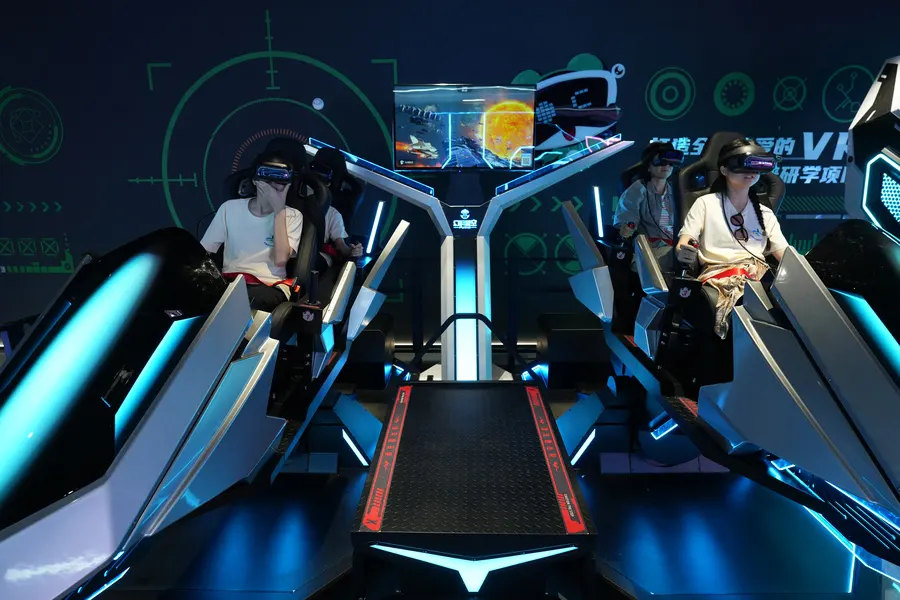
VR Arcade Beginner’s Guide: 5 Most Common Mistakes to Avoid
Mistake #1: Choosing the Wrong Location
The Problem: 그만큼 #1 mistake new operators make is assuming that any location with foot traffic will work. Even the best equipment will underperform if placed in low-visibility corners, without surrounding complementary attractions, or in areas where the demographic doesn’t align with the experience. A mediocre simulator in a high-traffic location will outperform the best equipment in a hidden back street.
Many new arcade owners also forget to check the building‘s physical specs — an expensive mistake. Low ceiling clearance, poor parking, bad room layout, and not enough power or internet are common launch problems.
How to Avoid It:
-
Measure ceiling height before signing: Most VR simulators with motion need at least 9 ft (2.7 중) of clear height. For larger attractions like 5D cinemas or dome theaters, 12–15 ft is recommended.
-
Check electrical capacity: A multiplayer VR venue is a highly concentrated consumer of electrical power. You’re not plugging in a few game consoles — you‘re running multiple high-end servers, motion platforms, and charging stations.
-
Test the location yourself: Visit at different times (weekday morning, weekday evening, Saturday afternoon). Count passersby. Talk to neighboring businesses.
-
Your arcade should be visible within 30 seconds of walking past: If people cannot see a VR simulator in action when they walk by, your conversion rate drops significantly.
Mistake #2: Buying the Wrong Equipment
The Problem: The single biggest mistake new VR arcade owners make is buying the wrong equipment. Some buy the most expensive machines without considering their target audience. Others buy cheap, low-quality equipment to save money — and end up with constant breakdowns and unhappy customers.
Equipment obsolescence and high overhead costs are common concerns for operators before the first customer walks through the door. VR technology evolves quickly, and buying the wrong system can lock you into outdated hardware within 18–24 months.
How to Avoid It:
-
Match equipment to your audience: Family venues need different equipment than teen-focused arcades. Tourist locations benefit from high-throughput cinemas; local arcades should focus on variety and repeatability.
-
Choose a supplier with regular content updates: The novelty factor wears off quickly if guests return and find the exact same experience. Monthly game updates for VR simulators and quarterly film updates for cinemas are industry standards.
-
Don‘t just compare price: Compare certification (FCC for US import), warranty, 판매 후 지원, and content library.
-
Start with a proven mix: For a small arcade, start with 2–4 compact or mid-size simulators. Add more later as revenue grows.
Mistake #3: Ignoring Operations & Staff Training
The Problem: Many new operators assume VR machines run themselves. While automation reduces staffing needs, human presence still matters. When nobody is staffing the VR attractions, players encounter too much friction to play and walk away — creating a “usage doom loop”.
Operators who struggle most are almost never fighting a hardware problem. The real issues are operational: staff can‘t reset stations between sessions, can’t clean gear properly, can‘t process waivers, or can’t troubleshoot when something goes wrong. A wrong launch, an incomplete reset, or a missed update can delay the next group and slowly shift the entire schedule.
How to Avoid It:
-
Create a standard launch sequence: A reliable launch sequence only works if the person running it performs it the same way every time. Document every step: headset collection, hardware checks, hygiene, space reset, and the full session launch sequence.
-
Hire for personality, not just tech skills: Many operators assign their most technically-minded staff as VR attendants. This may be a mistake, as these employees may not be the most personable. Guests need attendants who are socially engaging and comforting.
-
Run a soft launch before full opening: Test with friends and family first. Log incidents and reset times. Train staff on sanitation, waivers, and troubleshooting before paying customers arrive.
-
Build systems, not依赖 individual knowledge: Venues built around centralized dashboards can onboard new team members without rebuilding operational knowledge from scratch each time someone leaves.
Mistake #4: Neglecting Marketing & Pre-Opening Sales
The Problem: A major mistake operators make is assuming the technology will sell itself. You can buy the best headsets on the market, but if no one knows they exist, your arena will sit empty. “Just because the tech is cool, VR alone is not a silver bullet. Build it and they will come… unfortunately, it‘s just not quite the case.”
In competitive venues or malls, you’re not only competing with other arcades — you‘re competing with shopping, dining, mobile screens, 그리고 더. Many operators also make the mistake of discounting tickets for walk-in customers on weekdays — which just trains people to wait for cheaper slots.
How to Avoid It:
-
Start selling before you open: Pre-book birthday parties, private events, school outings, youth groups, corporate team-building, gift cards, memberships, and opening-week timed-session packages.
-
Show people having fun: Put screens up showing the gameplay to people walking by. An empty VR booth looks dark and broken; gameplay footage makes it look exciting.
-
Use simple, consistent marketing: Floor signage, digital screens, social media posts featuring customers in action, and first-play discounts or group booking promotions can double your weekly footfall.
-
Focus on group events: People go to entertainment venues to hang out with their friends. Frame your marketing around group events, team building, and shared experiences.
Mistake #5: Treating Content as Static
The Problem: Another trap is assuming content is static. A single game library is never enough forever. The novelty factor wears off quickly if guests return and find the exact same experience. Customers get bored. They stop coming back. And your revenue declines.
Some operators also make the mistake of using pirated or unlicensed games to save money. These copies often contain flaws that erode the customer experience. Worse, regular game purchases for home use do not cover commercial arcade use — using unlicensed software in a commercial venue can lead to legal trouble.
How to Avoid It:
-
Rotate titles or add DLC regularly: Successful operators rotate game libraries, add downloadable content, and keep the experience fresh.
-
Offer themed events or game challenges: Align content with seasonal or cultural moments — horror games for Halloween, racing tournaments for summer, family-friendly titles for holidays.
-
Choose a supplier with remote content update capability: This allows you to refresh your library without swapping hardware.
-
For 5D cinemas: Update film libraries every 3–6 months. For VR simulators: monthly game updates are ideal.
Bonus: 3 More Mistakes to Watch For
| Mistake | Why It‘s a Problem |
|---|---|
| Skipping the soft launch | Without testing your operations with a small crowd first, you’ll discover problems during your busiest days. Run private preview nights before opening to the public. |
| Not having a group sales pipeline | Group events (birthday parties, corporate team-building, school trips) are often the most profitable revenue stream. Build a sales process for groups before you open. |
| Underestimating hygiene needs | VR headsets are worn on the face. Customers expect clean equipment. Have a sanitation protocol — wipes, sprays, UV disinfection — and train staff to follow it every single time. |
결론: Learn from Others‘ Mistakes, Not Your Own
The VR arcade business can be highly profitable — but it’s not a “set-and-forget” investment. Those who monitor, market, and maintain consistently outperform those who treat it as a passive kiosk.
The five mistakes above are the most common reasons new VR arcade owners struggle. By avoiding them, you‘ll save money, reduce stress, and give yourself a much better chance of success.
FuninVR supports arcade owners not just with quality equipment but with ongoing advice on location, 운영, and marketing. Contact our teamfor a free consultation — we’ll help you avoid these mistakes from day one.