 FuninVR
9D VR シミュレーター vs. 5Dシネマ: ファミリー エンターテイメント センターの ROI が高いのはどれですか?
Comparing 9D VR simulators and 5D cinemas for family entertainment centers. Analyze costs, revenue potential, space requirements, and ROI to choose the best investment for your venue.
If you’re planning to open or expand a Family Entertainment Center (FEC), you’ve likely faced this question: should you invest in a 9D VRシミュレータ or a 5D cinema? Both offer immersive experiences that attract crowds, but they serve different audiences and have distinct business models. This guide breaks down the costs, revenue potential, space needs, and ROI of each, helping you make an informed decision.
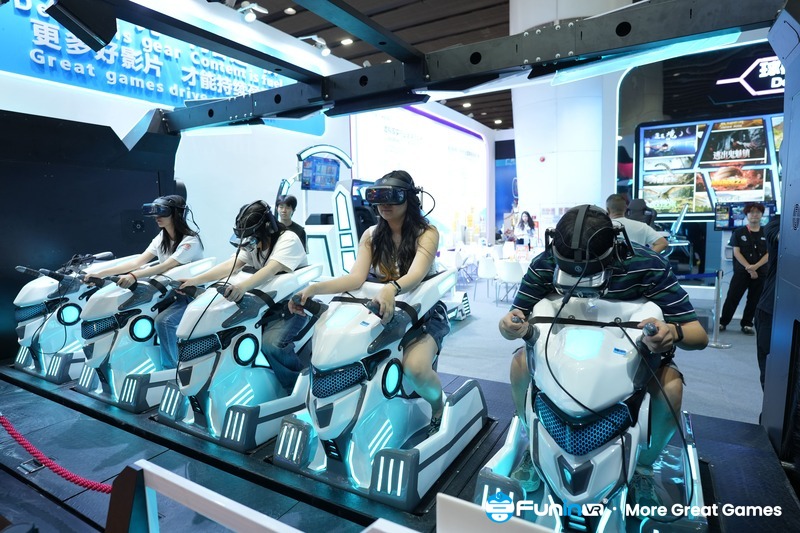
9D VR シミュレーター
What is a 9D VR Simulator?
A 9D VR simulator combines virtual reality headsets with a motion platform, 風, 振動, and other effects. Users wear a VR headset and sit in a moving chair or stand on a platform that syncs with the on-screen action. These machines typically support 1 に 6 players at a time and offer a variety of games: レーシング, shooting, ローラーコースター, ホラー, and fantasy adventures.
Common types:
-
Multi-seat simulators (例えば, 6-seat VR Dark Mars, 5-seat VR Dragon Rider)
-
Racing simulators (VRレーシングカート, VRレーシングモト)
-
Open standing platforms for quick experiences
Target audience: Individual players, small groups, tech enthusiasts, teenagers, and young adults.
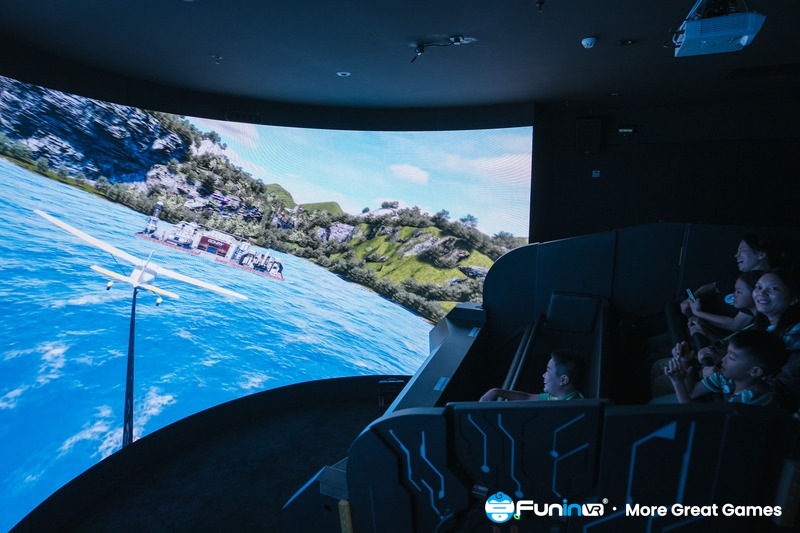
5Dシネマ
5Dシネマとは?
あ 5Dシネマ is a theater-style experience that combines 3D visuals with motion seats and environmental effects (風, 雨, bubbles, 雪, 振動, and even scents). Typically, 5D cinemas seat 6 に 15 or more people per show. The content is usually short films (8–15 minutes) designed for group viewing.
Common types:
-
9-seat 5D cinema (most popular for small to medium venues)
-
Dome theaters (larger, more immersive)
-
Customized larger cinemas (20+ seats)
Target audience: Families, children, school groups, tourists, and large parties.
9D VR Simulator VS 5D Cinema
| Factor | 9D VR シミュレーター | 5Dシネマ |
|---|---|---|
| 価格帯 (per unit) | $7,000 – $35,000 | $13,000 – $50,000+ |
| Typical seating | 1–6 players at a time | 6–15+ viewers per show |
| Space required | 20–100 sq ft per unit | 150–500+ sq ft per theater |
| Average ticket price (US) | $5–$15 per play | $8–$18 per ticket |
| Hourly capacity | 10–30 people (depending on session length) | 30–80 people (depending on show length) |
| Content variety | Dozens of game titles (レーシング, shooting, adventure) | Short films (usually 5–15 minutes) |
| Repeat customer rate | High (new games keep players coming back) | Medium (content updates less frequent) |
| Maintenance cost | Medium (headset cleaning, motion base upkeep) | Medium–Low (fewer moving parts per seat) |
| Staff required | 1–2 attendants | 1–2 operators |
| Best venue fit | Arcades, science museums, tech expos, ショッピングモール | Tourist attractions, large FECs, 遊園地, cinemas |
Revenue & ROI Calculation (Illustrative Example)
Let’s assume you operate in a mid-sized US city with moderate foot traffic. These numbers are industry averages, not guarantees.
9D VR シミュレーター (single 2-seat simulator)
-
Equipment cost: $15,000
-
Daily operating hours: 8 hours
-
Average session: 8 分 (7 sessions per hour)
-
Ticket price: $8 per play
-
Occupancy rate: 40% (conservative)
-
Daily revenue: 7 sessions/hour × 8 hours × 40% × $8 = $179
-
Monthly revenue (30 days): $5,370
-
Annual revenue: $64,440
-
Payback period (equipment only): $15,000 / $5,370 ≈ 2.8 months
5Dシネマ (9-seat theater)
-
Equipment cost: $13,000
-
Daily operating hours: 8 hours
-
Average show length: 10 分 (6 shows per hour)
-
Ticket price: $10 per person
-
Occupancy: 50% (4.5 seats filled on average)
-
Daily revenue: 6 shows/hour × 8 hours × 4.5 seats × $10 = $2,160
-
Monthly revenue (30 days): $64,800
-
Annual revenue: $777,600
-
Payback period (equipment only): $13,000 / $64,800 ≈ 0.2 months (6 days)
Important note: The 5D cinema generates higher gross revenue per unit, but it requires more space and a larger upfront investment for the theater build-out (seating, screen, sound system). The VR simulator has a lower barrier to entry and is easier to relocate or expand.
Which One Fits Your FEC?
Choose 9D VR simulators if:
-
You have limited space (under 500 sq ft).
-
Your target audience is teenagers and young adults.
-
You want a wide variety of games to encourage repeat visits.
-
You plan to start small and scale gradually.
-
You’re opening in a science museum, tech expo, or mall kiosk.
Choose 5D cinema if:
-
You have ample space (over 800 sq ft).
-
Your target audience is families with children or tourist groups.
-
You want a high-capacity attraction that processes many customers quickly.
-
Your venue is in a tourist destination or large FEC.
-
You prefer a theater-style experience with group appeal.
Best of both worlds: Many successful FECs start with one 5D cinema as an anchor attraction, then add 2–4 VR simulators around it. This combination draws both families and hardcore gamers, maximizing ROI.
Real-World Application: Lessons from China’s Market
In China, the world’s largest VR entertainment market, we’ve observed clear trends:
-
VRシミュレータ are popular among individual entrepreneurs, science museums, and educational centers. They appeal to tech-savvy youth and are easy to place in existing arcades.
-
5D cinemas dominate tourist attractions (like beachfronts, mountain scenic areas, and large shopping malls). They serve high volumes of walk-in traffic and work well for group tickets.
While the US market has different consumer behaviors, these patterns suggest that 5D cinemas thrive in high-foot-traffic tourist zones, while VR simulators excel in mixed-use entertainment centers and arcades.
よくある質問
Q: Can I run both in the same venue?
あ: Absolutely. Many owners place a 5D cinema at the back of their FEC and surround it with VR simulators. The cinema draws crowds, and the simulators keep them entertained longer.
Q: Which has lower maintenance?
あ: 5D cinemas generally have fewer mechanical issues because the seats move less aggressively than VR simulators. しかし, VR simulators have headsets that require regular cleaning and occasional replacement.
Q: How often do I need to update content?
あ: For VR simulators, monthly game updates are ideal to keep regulars coming back. For 5D cinemas, updating the film library every 3–6 months is sufficient.
Q: Do I need special electrical or ventilation requirements?
あ: Both require standard 110-240V power. VR simulators may need additional USB charging stations for headsets. No special ventilation is needed.
Both 9D VR simulators and 5D cinemas can be highly profitable investments for your Family Entertainment Center. The right choice depends on your space, budget, target audience, and business goals.
-
Start with a VR simulator if you’re testing the market or have limited capital.
-
Start with a 5D cinema if you have a high-traffic location and want a crowd-pleasing anchor attraction.
-
Combine both for maximum revenue diversification.
Whichever you choose, partner with an experienced manufacturer that offers comprehensive after-sales support, English software, and regular content updates.
Ready to explore your options? [お問い合わせ] for a free consultation and customized quote.