 FuninVR
How Do You Choose VR Arcade Equipment?
Choosing the right VR arcade equipment is one of the most important decisions for anyone planning to open or upgrade a VR entertainment venue. The equipment you select will directly determines your guest experience, daily throughput, maintenance costs, and ultimately, your profitability.
With so many options on the market—ranging from basic VR stations to advanced VR motion simulators—it’s essential to understand what really matters when making a purchasing decision. Below are the key factors you should consider when choosing commercial VR arcade equipment.
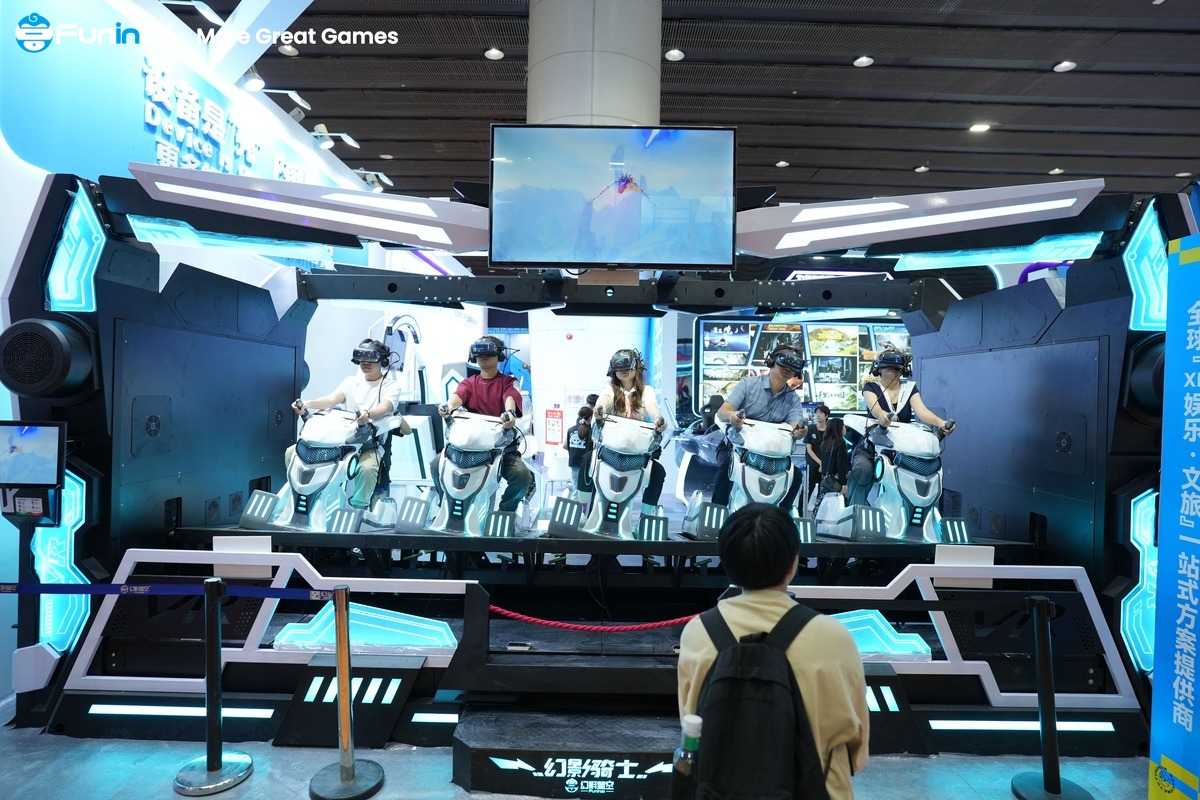
Before selecting any VR arcade equipment, start by defining your venue type and audience. A shopping mall VR arcade, for example, typically requires fast, intuitive experiences that appeal to first-time users. In contrast, a dedicated VR gaming center may focus on longer, more complex sessions for repeat players.
Your available space, expected foot traffic, and customer demographics will determine whether you need compact VR stations, multiplayer setups, or motion-based systems. Matching equipment to your audience is the foundation of a successful VR arcade.
-
Venue Type & Core Audience: Is your location a dedicated VR arcade for enthusiasts, a Family Entertainment Center (FEC) catering to families, or a shopping mall attraction for impulse visitors? A hardcore racing simulator suits the first, while a more intuitive motion platform or interactive theater fits the latter.
-
Revenue & Operational Model: Will you charge per minute, per session, or use timed passes? High-throughput, short-duration experiences (5-10 mins) require rugged, easily resettable equipment. Longer, premium experiences (15-30 mins) justify more complex setups like free-roam VR arenas.
-
Space and Layout Constraints: Precisely measure your available space. A VR motion simulator requires a smaller footprint than a multi-player free-roam zone. Factor in not just the machine size, but also necessary safety buffers, queuing areas, and spectator space.
Consider Content Compatibility and Game Library
Great hardware alone is not enough. A strong content ecosystem is essential when choosing VR arcade equipment. Make sure the system supports a wide range of VR games and experiences, including shooting games, Rennen, adventure, and multiplayer content.
Content should be optimized for commercial VR arcades, easy to update, and flexible enough to meet different user preferences. A diverse and regularly updated content library encourages repeat visits and longer customer engagement.
Look for Easy Operation and Management Systems
From an operator’s perspective, usability is critical. Modern VR arcade systems often include centralized management software for game selection, session control, pricing, and performance monitoring.
An intuitive control system reduces staff training time and minimizes operational errors. For high-traffic venues, efficient management tools can greatly improve daily operations and customer flow.
Assess Safety, Maintenance, and After-Sales Support
Safety should always be a priority when choosing VR arcade equipment. Look for features such as secure seating, emergency stop buttons, motion limits, and protective structures—especially for motion-based systems.
Zusätzlich, consider maintenance requirements and after-sales support. Reliable technical support, spare parts availability, and remote troubleshooting services are essential for minimizing downtime and protecting your investment.
Balance Budget and Long-Term Return
While budget is an important consideration, focusing solely on upfront cost can be misleading. High-quality commercial VR equipment often delivers better durability, lower maintenance costs, and stronger customer retention over time.
Evaluate your expected return on investment by considering pricing per session, throughput, and lifespan of the equipment. Well-chosen VR arcade equipment should support both short-term revenue and long-term growth.
Choosing the right VR arcade equipment requires a balance of technology, Inhalt, Sicherheit, and business strategy. By understanding your audience, investing in commercial-grade systems, and prioritizing reliability and support, you can build a VR arcade that delivers outstanding experiences and sustainable profitability.
A thoughtful equipment selection process is the first step toward creating a successful and competitive VR entertainment venue.