 FuninVR
Are VR Entertainment Solutions Profitable?
In the ever-evolving entertainment landscape, Virtuelle Realität (VR) has transitioned from a niche tech novelty to a serious commercial contender. Business owners and investors are increasingly asking the pivotal question: Are VR entertainment solutions a profitable venture? The resounding evidence from the market suggests that when executed strategically, VR entertainment is not just profitable but can be a significant revenue generator, offering strong returns on investment and a competitive edge in the experience economy.
A well-designed VR attraction provides a powerful “wow” factor. Whether it’s a hyper-realistic 9D motion simulator that combines wind, scent, and touch effects with a moving platform, or a free-roam VR arena where teams battle zombies in a physical space, these experiences create lasting memories. This drives foot traffic, repeat visits, and valuable word-of-mouth marketing through social media shares.
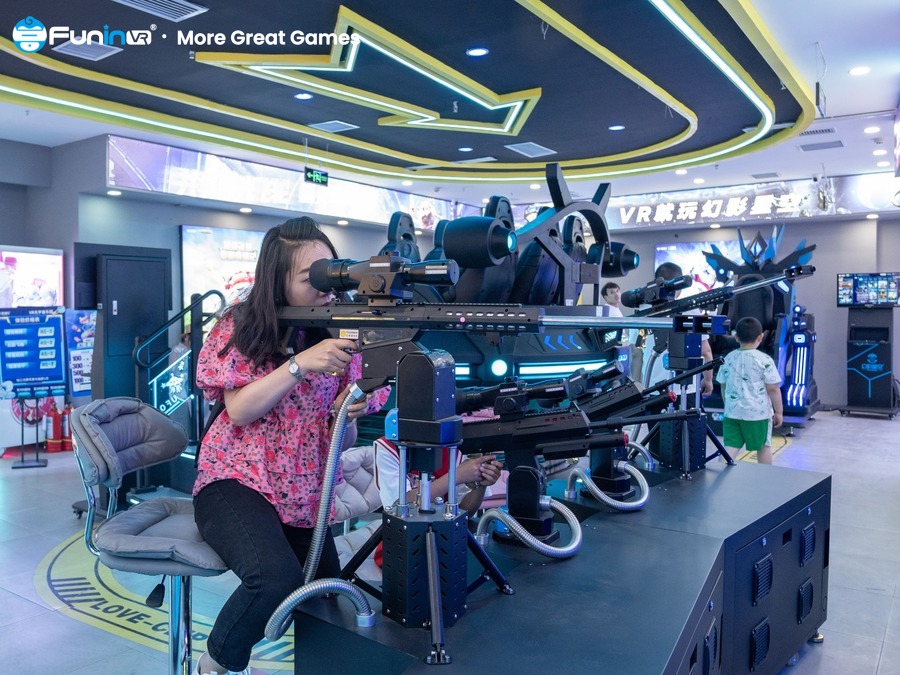
Profitability in VR entertainment is not a one-size-fits-all formula; it is achieved through several proven commercial models, each with its own revenue dynamics.
-
VR Experience Zones & Arcades: These are high-traffic, high-throughput models ideal for shopping malls, Familienunterhaltungszentren (FEC), and tourist destinations. Operating on a pay-per-play basis for 5-15 minute sessions, they generate steady cash flow. Success depends on location, a diverse and exciting content library, and exceptionally reliable equipment to maximize daily uptime and customer turnover. This is where choosing a partner known for durability, like FuninVR, directly impacts the bottom line by minimizing disruptive and costly downtime.
-
Dedicated VR Lounges & Arenas: These destination venues offer deeper, often session-based experiences (30-60 minutes). They attract enthusiasts and groups, allowing for higher ticket prices. Profitability hinges on creating a cool, comfortable environment and offering premium content, from intense multiplayer battles to creative social experiences. For these operators, investing in high-quality, easy-to-maintain FuninVR systems ensures a flawless customer journey, encouraging repeat business and positive reviews.
-
VR as a Value-Added Attraction: This model integrates VR into existing businesses like theme parks, cinemas, or trampoline parks. Adding a state-of-the-art 9D-Kino motion simulator can breathe new life into a space, creating a marquee attraction that commands a premium price. Zum Beispiel, a FuninVR motion platform can transform a standard waiting area into a high-margin thrill ride, dramatically increasing per-customer revenue without the need for a massive new build.
Transforming a VR investment into a consistent revenue generator rests on several critical operational pillars. Neglecting these can turn a promising venture into a money pit, while mastering them ensures long-term success.
-
Strategic Location & Smart Hardware Investment: The classic rule of “location, location, location” is non-negotiable. Equally critical is the choice of hardware. This is a core operational expense that directly affects profitability. Investing in commercial-grade, robust equipment from the start is crucial. Brands that are built for the rigors of public use, such as FuninVR, offer a significant advantage. Their focus on product quality and stability means fewer technical failures during peak hours, protecting your revenue and reputation. A reliable VR or 9D cinema device from a trusted supplier isn’t just a purchase; it’s an investment in operational peace of mind.
-
Content is King, But Reliability is Queen: A diverse and regularly updated content library is essential to attract repeat customers. Jedoch, the most amazing content is worthless if the hardware fails to deliver it smoothly. The seamless integration of exciting software with rock-solid hardware creates the magic that customers pay for. Partners who provide not just equipment but also a curated platform of content and reliable technical performance remove a major headache for business owners.
-
Maximizing Uptime with Superior Support: In entertainment, downtime is lost revenue. The profitability of a VR venture is intensely tied to its operational efficiency and maximum daily uptime. This is where after-sales service and support transition from a nice-to-have to a critical profit driver. A supplier that offers comprehensive training, readily available spare parts, and responsive technical support—key strengths of providers like FuninVR—ensures that minor issues don’t become major, day-long closures. This level of support allows owners to Focus on marketing and customer service, making the venture more manageable and far less stressful.
Also, are VR entertainment solutions profitable? The evidence decisively points to yes. They tap into a growing, experience-hungry market with high-margin potential. Jedoch, the path to profitability is significantly smoothed by choosing the right technological foundation.
The most successful operators understand that they are not just buying hardware; they are investing in a complete entertainment platform and partnership. They look for solutions that offer:
-
Proven, Durable Technology that can withstand constant use.
-
Seamless Content Delivery for a flawless user experience.
-
Unmatched After-Sales Support to safeguard their investment and revenue stream.
By partnering with an industry leader that embodies these principles, such as FuninVR, entrepreneurs gain more than just equipment. They gain a reliable profit engine. This partnership reduces operational risk, minimizes hassle, and provides the robust tools needed to build a thriving, future-proof business in the immersive entertainment space. Abschließend, with strategic planning and the right technological partner, a VR entertainment solution is more than profitable—it’s a visionary step into the future of leisure and a formidable revenue generator.