 FuninVR
ما هو سعر جهاز الواقع الافتراضي?
الواقع الافتراضي (VR) is no longer a futuristic concept seen only in science-fiction movies. Today, آلات الواقع الافتراضي are widely used in entertainment, تعليم, الرعاية الصحية, real estate, and even industrial training. From lightweight headsets designed for home gaming to large-scale immersive VR machines found in shopping malls and theme parks, the variety of VR equipment on the market has grown rapidly.
لذا, how much does a VR machine actually cost? The answer is not as simple as a single number. The price of a VR machine depends on several factors, including the type of device, hardware configuration, level of immersion, intended use, and whether it is designed for personal or commercial purposes. في هذه المقالة, we will explore the different types of VR machines and explain what really determines their price.
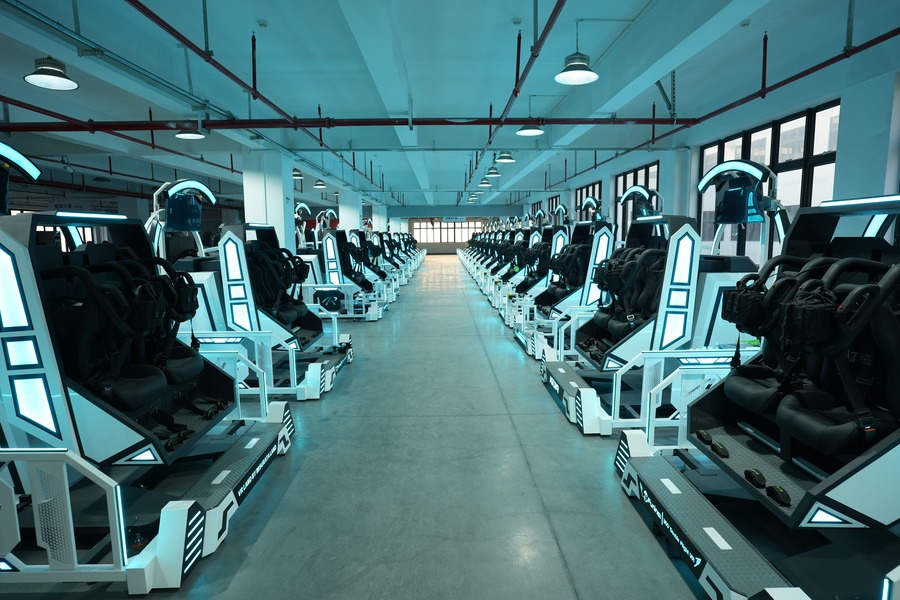
ما هو سعر جهاز الواقع الافتراضي? | A Professional Cost Breakdown
The first and most significant factor is the intended use.
| Market Segment | Price Range (Approx.) | What You’re Paying For | Primary Use Case |
|---|---|---|---|
| Consumer / الصفحة الرئيسية VR | $300 – $1,500+ | أ standalone VR headset (على سبيل المثال, ميتا كويست) or a PC-tethered system for personal gaming and entertainment. | Home use, individual gaming. |
| Commercial VR Systems | $2,000 – $200,000+ | أ complete, ruggedized attraction designed for public use, high throughput, أمان, and immersive experiences. This includes hardware, برمجة, and often professional support. | الترفيه على أساس الموقع (رطل), VR Arcades, Theme Parks, Training Simulators. |
For business inquiries, the relevant category is unequivocally Commercial VR Systems. The price reflects an investment in a revenue-generating asset, not a consumer product.
Key Factors Driving the Cost of a Commercial VR Machine
The price tag on a commercial system is built upon several critical, value-adding components:
-
The Core VR Hardware & Visual Fidelity:
-
Headset Quality: Commercial venues require professional-grade headsets with higher resolution, durability, and easy-to-clean hygiene solutions. These are more expensive than consumer models.
-
Visual Output: A single-headset system is at the lower end. Premium setups use multiple large screens, projection systems, or domes for group viewing, drastically increasing cost.
-
-
The Motion Platform (The Biggest Differentiator):
This is the single largest contributor to cost and immersion. Prices escalate with capability:-
Static / 2-Axis Platform: Basic vibration and tilt. (Lower cost entry point)
-
3-DOF Platform: Adds pitch, لفافة, and heave for convincing motion. (Mid-range)
-
6-DOF Platform: Full freedom of movement for maximum realism. Used in high-end racing and flight simulators. (Premium price)
The engineering, actuators, and safety systems for these platforms constitute a major part of the investment.
-
-
Specialized Peripherals & Interactive Elements:
The price increases with interactivity. A basic system may have simple controllers. أ VR racing simulator includes a force-feedback steering wheel, hydraulic pedals, and a bucket seat. A shooting attraction integrates realistic weapon replicas with haptic feedback. Each added element adds cost and value. -
Software, Content Licensing & Management Systems:
Commercial operations cannot use off-the-shelf games. They require licensed, site-wide content that is durable and designed for short sessions. A robust content management system for scheduling, payment, and monitoring is also a significant part of the software cost. -
Professional Installation, Training & يدعم:
A commercial quote is rarely just for hardware. It includes professional installation, معايرة, operator training, and often a service-level agreement for technical support and maintenance—all essential for reliable, worry-free operation.
Commercial VR Machine Price Ranges (Estimates)
Here is a realistic pricing framework for commercial systems. Note: These are estimates for the complete, operational attraction.
| Type of Commercial VR Attraction | Estimated Price Range (USD) | Typical Applications |
|---|---|---|
| Standalone VR Arcade Booth (No Motion) | $2,000 – $10,000 | Basic VR arcade kiosks, some LBE zones. |
| VR Motion Simulator (3-DOF Platform) | $1,000 – $2,000+ | Mainstream VR arcades, لجنة الانتخابات الفيدرالية, mall attractions. |
| High-End Racing / محاكي الطيران (6-DOF) | $20,000 – $150,000+ | Premium racing centers, professional training facilities, flagship brand experiences. |
| Large-Scale Free-Roam VR Arena | $80,000 – $200,000+ | Dedicated VR parks, large-scale entertainment complexes, major tourist attractions. |
Crucial Note: Focus on Total Cost of Ownership (TCO) and Return on Investment (ROI), not just the upfront price. A well-specified, reliable system with good content may have a higher initial cost but will generate more revenue, require less downtime, and last longer than a cheaper, under-spec’d alternative.
أخيرًا, the price of a VR machine for business is directly tied to the value it creates. It’s a capital investment into an immersive experience that drives ticket sales, increases venue appeal, and builds a competitive edge.
When evaluating options, businesses should look beyond the sticker price. Partner with a reputable provider who offers a transparent breakdown, focuses on your target ROI, and delivers a complete solution—from robust hardware and engaging content to critical after-sales support. The right commercial VR machine is not an expense; it’s a strategic investment in the future of immersive guest experiences.