 ฟันอินVR
Do VR Entertainment Solutions Fit Tourist Attractions?
Tourist attractions are evolving. Visitors today are no longer satisfied with passive sightseeing alone — they are looking for interactive, immersive, and memorable experiences. This shift in visitor expectations is reshaping how destinations design their attractions, and it’s exactly where VR entertainment solutionส are finding their place.
So the real question is not whether VR fits into tourist attractions — it’s how effectively VR can enhance the visitor journey, extend stay time, and create new revenue streams. In that sense, VR entertainment solutions are not just compatible with tourist destinations — they are becoming a strategic upgrade tool.
Let’s face it — today’s travelers don’t just want to see things. They want to feel them. That shift from passive sightseeing to active, immersive engagement is pushing tourist destinations to innovate or get left behind. And increasingly, one of the most promising tools in their arsenal is VR entertainment.
So the question isn’t really “Does VR belong in tourism?” It’s “How can VR make visits more compelling, extend dwell time, and drive real revenue?” When framed like that, VR stops being a flashy add-on and starts looking like a strategic upgrade.
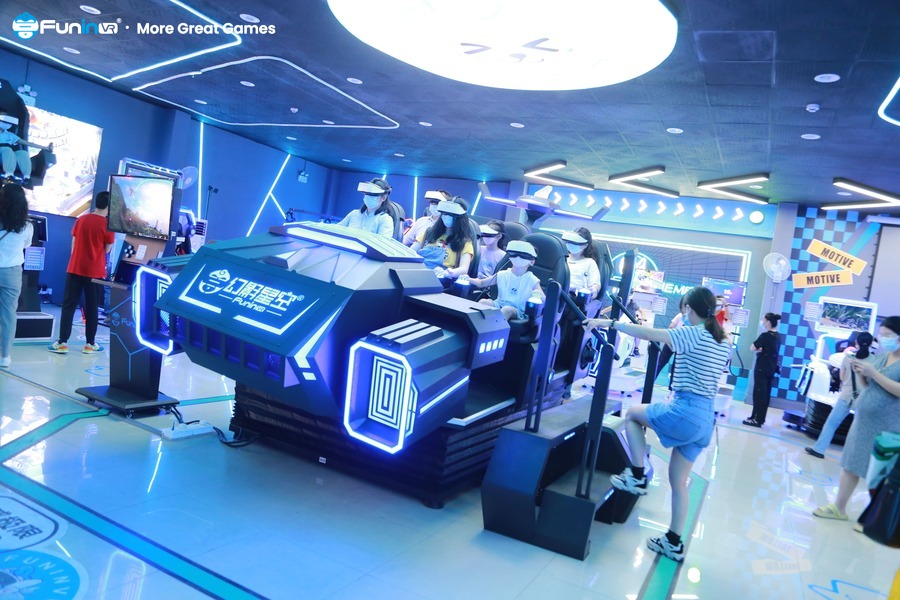
Why “Experience” Is the New Currency in Travel
Gone are the days when a beautiful view or a historic monument was enough. Modern tourism competes on emotional resonance — the story you tell, the memory you create, the sense of wonder you instill.
This is where VR shines. It lets visitors step inside a story — whether that’s walking through ancient Rome, diving into a coral reef, or embarking on a mythical quest — all without leaving a controlled, often climate-controlled space. You’re not just looking at something; you’re living it. And that turns a standard tourist stop into a destination worth staying for.
Built for Reality: VR That Can Handle Crowds
Consumer VR headsets are great for your living room. But put them in a busy tourist spot with hundreds of users a day, and they’ll likely overheat, break, or confuse guests.
Professional VR entertainment systems are engineered differently. They prioritize:
-
Industrial-grade durability
-
Consistent performance under continuous operation
-
Intuitive, no-tutorial-needed interfaces
-
Streamlined user flow to keep lines moving
-
Safety-designed setups for all ages
-
Quick sanitization and reset between sessions
That’s what makes them viable for theme parks, museums, heritage sites, and visitor centers — places where reliability is non-negotiable.
Layering New Experiences Without Breaking Ground
Physical expansion is expensive, slow, and sometimes impossible. VR offers a powerful alternative: digital layering.
Imagine a castle that offers not only guided tours, but also a VR “time travel” to its medieval heyday. Or a natural park that lets guests “fly” over protected areas without disturbing wildlife. These aren’t replacements for the real thing — they’re enhancements that add narrative depth and interactive appeal.
New Revenue, Not Just New Tech
Smart attractions treat VR as a business model, not just a cool feature.
It opens doors to:
-
Tiered ticketing (basic entry vs. VR-included premium)
-
Standalone VR experience fees
-
Family/group package pricing
-
Themed VR zones with timed entry
-
Seasonal or special-event VR content
-
Sponsorship or brand partnership integrations
For many sites, this diversification helps stabilize income beyond traditional gate receipts.
Content Is Your Long-Term Strategy
The biggest mistake? Treating VR as a one-time installation. The real value lies in the content pipeline.
Today’s leading VR platforms support updatable libraries — meaning you can roll out new stories, seasonal themes, or locally relevant narratives without replacing hardware. That keeps the experience fresh, encourages repeat visits, and turns VR from a novelty into a renewable resource.
Start Small, Learn, Then Scale
You don’t need to bet the farm on VR. Many successful attractions begin with a single station or pop-up zone, gather feedback, track engagement metrics, and expand based on what works.
This iterative approach reduces risk and ensures your VR offering evolves in step with visitor expectations.
Why Going It Alone Might Not Be the Best Move
Implementing VR isn’t just about buying equipment. It requires thoughtful integration: space planning, storyline development, staff training, maintenance, and content updates.
That’s why many operators partner with specialists like ฟันอินVR, who provide end-to-end solutions — from hardware and software to layout design and operational support. A good partner helps you weave VR seamlessly into the visitor journey, rather than plopping it in as an isolated gadget.
So, is VR a good fit for tourist attractions?
Yes — when done right.
It’s not about replacing reality, but enhancing it. VR can deepen engagement, create shareable moments, open new revenue streams, and help your destination stand out in a crowded market.
In the future of travel, the most successful sites won’t just be those with the best views — they’ll be the ones that tell the best stories. And increasingly, VR is becoming one of the most compelling ways to tell them.